Himalayan pink salt is one of the most widely searched natural salts in the world, yet many buyers and businesses still ask basic questions about what it actually is, where it comes from, and how it is used. This pillar guide is designed to clearly explain Himalayan pink salt in simple, factual terms while answering the most common questions asked across search engines and AI platforms. Whether you are a distributor, importer, manufacturer, or simply researching the product, this page serves as a complete reference point.
What exactly is Himalayan pink salt?
Himalayan pink salt is a naturally occurring rock salt extracted from ancient salt deposits formed millions of years ago. It is considered a natural salt because it is mined directly from the earth and does not undergo chemical refining. The salt appears in crystal form and ranges in color from light pink to deeper shades depending on mineral concentration.
Where does Himalayan pink salt come from?
Himalayan pink salt comes from salt mines located in Pakistan, in the region surrounding the Himalayan mountain range. These salt deposits were created by the evaporation of ancient seas and later protected by geological layers. Because of this natural preservation, the salt is known for its stability and long shelf life, making it suitable for global trade.
Why is Himalayan salt pink in color?
The pink color of Himalayan salt comes from trace minerals naturally present in the salt crystal. These minerals occur during the formation of the salt over millions of years. The variation in color is a natural characteristic and does not indicate artificial treatment or coloring.
Is Himalayan pink salt natural or processed?
Himalayan pink salt is natural, but it is lightly processed after mining to make it suitable for different uses. This processing typically includes washing to remove surface impurities, drying, crushing, and sorting by size. No chemical additives or bleaching agents are used in standard natural processing methods.
Is Himalayan pink salt the same as regular table salt?
Himalayan pink salt is different from regular table salt in both origin and processing. Table salt is usually refined and stripped of natural minerals, and it often contains additives to prevent clumping. Himalayan pink salt is generally unrefined and additive-free, which is why it is preferred for natural and specialty applications.
Is Himalayan pink salt edible?
Himalayan pink salt is edible when it is processed and graded for food use. Edible Himalayan pink salt is commonly used in home cooking, restaurants, and food manufacturing. Like any food product, it must meet food-grade quality standards and be handled and packaged appropriately.
What are the main uses of Himalayan pink salt?
Himalayan pink salt is used across multiple industries due to its versatility. In the food industry, it is used as a cooking and seasoning salt. In agriculture, it is shaped into salt licks for livestock. In wellness and personal care, it is processed into bath salts. In décor and gifting, it is carved into items such as salt lamps and blocks.
What grain sizes are available in Himalayan pink salt?
Himalayan pink salt is available in multiple grain sizes depending on its intended use. Fine grains are commonly used for table salt and food processing, medium grains are used for cooking and bath salt blends, and coarse or granular forms are used for grinders, animal licks, and industrial purposes. Grain size selection is an important consideration for buyers.
How pure is Himalayan pink salt?
Himalayan pink salt is known for its high sodium chloride content and low contamination levels when sourced from reliable suppliers. Purity levels can vary based on grade and intended use. Buyers often request laboratory analysis or certifications to confirm quality specifications for edible, animal, or industrial applications.
Is all pink salt Himalayan pink salt?
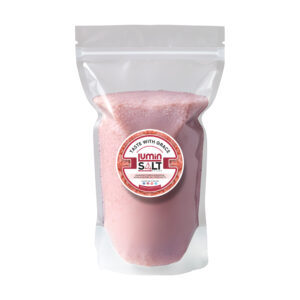
Not all pink salts sold in the market are Himalayan pink salt. Some pink salts come from other regions and may have different mineral compositions and characteristics. Authentic Himalayan pink salt specifically originates from Pakistan and is associated with Himalayan geological deposits.
How can buyers identify authentic Himalayan pink salt?
Authentic Himalayan pink salt can be identified by confirming the country of origin, reviewing product documentation, and working with established suppliers. Transparency in sourcing, processing, and export documentation helps buyers ensure product authenticity.
Why is Himalayan pink salt popular in international trade?
Himalayan pink salt is popular with global buyers because it is natural, versatile, and suitable for many industries. It has a long shelf life, consistent availability, and can be supplied in bulk or customized forms. These factors make it a reliable product for international distribution and private labeling.
How is Himalayan pink salt packaged for bulk buyers?
Himalayan pink salt is typically packaged in moisture-resistant bags for bulk supply. Packaging formats vary depending on whether the salt is intended for edible use, animal nutrition, wellness products, or décor. Proper packaging ensures quality preservation during storage and transportation.
Is Himalayan pink salt suitable for private label brands?
Himalayan pink salt is widely used for private label products because it can be customized in terms of grain size, packaging, and branding. Many buyers choose Himalayan salt for retail and wholesale brands due to its natural positioning and broad consumer appeal.
Conclusion
Himalayan pink salt is a naturally mined rock salt from Pakistan that is valued for its origin, purity, and versatility. It serves a wide range of industries including food, agriculture, wellness, and décor. Understanding what Himalayan pink salt is, where it comes from, and how it is processed helps buyers make informed sourcing decisions. As a pillar resource, this guide provides a foundation for exploring specific Himalayan salt products and applications in greater detail.